17
April

ConferenceDirect Announces Team Director of the Year

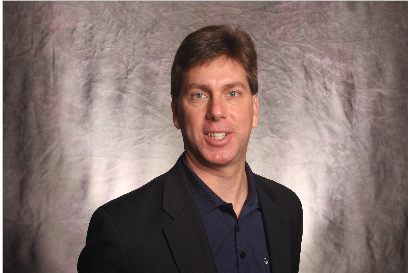
Doug Baarman Receives Award for top performance and leadership in 2012

LOS ANGELES, CA – March 25, 2013 – Doug Baarman, CDS, Senior Vice President & Team Director has been named ConferenceDirect’s Team Director of the Year. He was honored at the ConferenceDirect Awards Dinner during its Annual Partner Meeting in Las Vegas, Nevada on Sunday, March 17, 2013.

Doug joined ConferenceDirect in July of 2007 with over 25 years of sales, marketing and event management experience within the hospitality industry. Prior to joining ConferenceDirect, Doug gained an insider’s perspective from working on both sides of the industry with experience from some of the largest hotel companies – Marriott International and Gaylord Hotels and from the buyer’s side – Liberty Mutual and National Trade Productions. During his career with Marriott International, he broke new ground as the leader of a Field Sales team focused on new business development, with an independent structure and an alternative compensation model. This was an industry first within a chain’s national sales system. Doug was also Vice President of Sales and Marketing for Marriott ExecuStay which was an acquisition that needed to be integrated with their other brands. At Gaylord Hotels, he helped establish the pre-opening team for the largest hotel ever built in the Washington, DC area. At National Trade Productions, Doug was responsible for exhibit sales for shows targeting the government and government contractor markets. Since joining ConferenceDirect, Doug has been recognized as the Team Leader of the Year for two consecutive years in 2010 and 2011, with some of the best team accomplishments: In 2010, his team achieved over $53 million in booked revenue making it the top producing CD team. In 2010 a member of his team was awarded ‘Top Producer / Associate of the Year’. His team has received multiple ‘Rookie of the Year’ awards. In 2011, his team became the top producing CD team for the second consecutive year achieving over $56 million in booked revenue. Doug is an active member of MPI and on the Customer Advisory Board for the Austin Convention and Visitors Bureau. He is a graduate of Ferris State University where he received a Bachelor of Science in Hospitality Management.

“This is not the first time Doug has been recognized for this award and it won’t be his last,” said Brian Stevens, President and Chief Executive Officer of ConferenceDirect.

Doug can be reached at (301) 605-7011 or via email at doug.baarman@conferencedirect.com.

About ConferenceDirect: Based in Los Angeles, California, ConferenceDirect is a full service meeting solutions company specializing in Site Selection/Contract Negotiation, Conference Management, Housing, Registration and Strategic Meetings Management. ConferenceDirect provides its expertise to more than 1750 corporations and associations worldwide. ConferenceDirect’s 325 Associates and worldwide regional offices comprise the fastest-growing meeting resources company in the hospitality industry today. For more information, visit ConferenceDirect at www.conferencedirect.com


No comments yet

4
March

7 Quick Tips to Working with Meeting Management Companies

Based on my affiliation with ConferenceDirect, I am often asked to share tips on the best way for hotels and other industry partners to work with meeting management companies. A full service meeting management company, like ConferenceDirect, assists organizations who make a strategic decision to outsource portions or all of their meeting and event needs. If you are in a role where you work with these organizations and want to gain a greater share of this business, the following are ‘7 Quick Tips’:

  1. Communicate, Communicate, Communicate - Make sure they know your product/service, your value proposition, what business you are looking for and (if applicable) your availability.
  2. Make it easy to do business with you - Respond to leads via all channels (with online currently being the most popular), provide a dedicated sales resource and make it easy to find and reach you (phone number, email address, website, etc.).
  3. Respond to leads by (even better if you can do it before) the due date requested.
  4. Submit your best offer the first time - You want to make sure you address all of their needs, questions and hot buttons in your response. In addition, you want to put your best offer on the table from the start so you are in consideration and not eliminated from further evaluation.
  5. Offer Creative Solutions- It is not just the lowest rate or most concessions that earns the business. It is the proposal that addresses all of the needs, questions and hot buttons…and gets creative with solutions that will solve the customer’s ‘pain points’.
  6. Ask for the business - It is amazing the statistics that demonstrate how many people send a proposal and then never follow-up and ask for the business. If you want it, you have to demonstrate your desire to work together and ASK for the business.
  7. Follow-up- Reach out to your meeting management contact throughout the booking process…and keep in touch after this active opportunity is completed. These organizations work with multiple clients that could potentially do business with you.

I hope these ‘quick tips’ help you as we all set our sights on a successful 2012!

No comments yet

14
February

Why Do Organizations Outsource? How Does It Impact YOU!

Over the past few years, we have navigated our way through the worst recession our industry has experienced since 1971. The Great Recession, as it is now known, has changed the way many in our industry do business and many organizations have made the strategic decision to enlist outside assistance from professional independent meeting planners. These days, meeting planners have less time, less budget and less room for error. Outsourcing various components of a function can allow the organization’s meeting planner to focus on the most important aspects of the event. It also allows organizations the opportunity to place the best people in critical strategic positions while conserving valuable management time in the office.

For years, meeting planners have focused on providing support services and handling details, but this has changed. With more companies and organizations taking a closer look at the value and cost of their meetings, meeting professionals are broadening their skills to meet new needs. Now, more planners assist with development of meeting objectives, design and production, special projects and adult learning techniques in addition to stepping into other consultative roles. Their role is more strategic and focused on the return on investment of the meeting as compared to a task-oriented role. All of these components impact meetings and make them complex. What good, qualified meeting professionals do is – manage the complexity.

The importance of holding face-to-face meetings remains strong and our industry is evolving at a pace that we have not seen before. The new technology, ways to attract attendees, methods to keep attendees engaged and fresh ideas for trade shows are all changing. These are some of the reasons there are more organizations making outsourcing a part of their overall meetings and events strategy.

What organizations are saying about seeking outside assistance?

“Without the help of ConferenceDirect, our World Conference with over 2200 dental professionals would never have been the tremendous success that it was. The knowledge and professionalism that ConferenceDirect lent to our meeting led to the most successful conference in the history of our company.”
Nobel Biocare

“ConferenceDirect’s exceptional knowledge of the hotel and travel industry adds a new level of efficiency to our planning process.”
American Academy of Child and Adolescent Psychiatry

“ConferenceDirect Housing & Registration deserves much of the praise for the success of our most recent Users Conference. Thank you for helping us raise the bar on our level of service to our customers.”
CSC Financial Services Group

The following are key roles that a professional independent meeting planner plays for their customers:
• Consultant/Trusted Advisor-
1. Experience and Relationships- putting their years of industry experience and contacts to work for their clients.
2. Fresh Ideas- from the experiences they have and the work they are doing with other organizations, they offer new ideas on how to potentially improve the organization.
3. Educational Content- sharing the knowledge and experience to help plan the educational content and adult learning techniques that are critical to the learning process.
4. Save the Organization Time and Money- a good independent planner can save an organization significant time and money.

• Industry Expert- they take the time to stay up-to-date on the latest industry trends:
1. Face-to-Face Meetings
2. Virtual Meetings
3. Hybrid Meetings
4. New Technology (e.g. Mobile Applications)
5. Green Meetings
6. Strategic Meeting Management
7. Social Networking
8. Exhibits/Tradeshows
9. Growing Membership
10. Growing Attendance

• Manager of Logistics- assistance with managing the many details through the entire process from inception to reality:
1. Writing and administering the RFP Process
2. Establishing and managing the meeting budget
3. Site Selection
4. Contract Negotiation
5. Pre-conference Planning
6. Registration
7. Housing (room block audits)
8. Onsite Support
9. Post-conference Follow-up

• Extra Staff (without adding overhead expenses) – This role can provide, on a project basis, the extra hands the organization needs to achieve their priorities.
Finally, meeting planners have historically juggled multiple industry contacts; hotel brand national sales offices, various destination convention bureaus, and preferred vendors (AV, Decorators, etc.) or had to call a variety of hotels on an individual basis in the site selection process. If they do not have the staff or time to manage this process, meeting planners can choose to work with a professional independent meeting planner as their one point of contact to book groups, and enjoy the speed and convenience of comprehensive one stop shopping. Additional services such as Total Conference Management and Housing and Registration enhances the customer experience.

So what is the role of the professional independent meeting planner and how does this impact YOU? With face-to-face meetings remaining strong and organizations doing business differently after the latest economic downturn, the role of the professional independent planner is more important than ever in our industry. More organizations are outsourcing some or all of their meeting planning needs. For YOU, it means that there are great opportunities for you to be in business for yourself using your skills and experience. This is the best time to join the ranks of being an independent business owner/independent meeting professional/entrepreneur.

 If you found this article valuable, you might also be interested in this article too.

No comments yet

6
January

Hospitality Industry Friends Helping Each Other in 2012

I was first introduced to this idea of helping each other by Shannon Derrick, CMP with the Wyndham Hotel Group. At the time, he was the President of the Potomac Chapter of Meeting Professionals International. He was making presentations as one of our industry leaders during the most challenging period of the Great Recession. He challenged all of us in the industry to do business with each other to get us out of our tough times.

I am going to use his same concept to challenge all of us in the hospitality industry to work together, to do business with each other and to help one another in 2012. After all, we are in the people business and our success is all about our industry relationships and working together. We can call it ‘industry friends helping industry friends’.

How will this work? We need to be better listeners and do a better job of understanding what our current customers, potential customers, vendors and industry partners need or are concerned about. Then, from our relationships and network of industry resources, we need to take action by asking ourselves:

  • How can I help?
  • Can I introduce them to someone that can help solve their challenge?
  • Can I introduce them to someone that needs their product or service?
  • Do I need their product or service?
  • Would partnering with them enable me to grow my own business?
  • Do I have a product or service that can help them?

The best form of helping each other is a word of mouth referral. The more you refer others, the more you will be referred. With that in mind, we need to be willing to help others and to ask for help from others when we need it. There are many in our industry that might be able to help or may be interested in the product or services you offer.

“Asking for help does not mean we are weak or incompetent. It usually indicates an advanced level of honesty and intelligence.”

Anne Wilson Schaef

Finally, this concept can also be used in our personal lives with our friends and neighbors. Instead of just being a good friend who listens, be a friend who listens and takes action to help them solve their challenge.

In order to ensure a successful year, let’s focus on helping each other- ‘industry friends helping industry friends’ in 2012!

No comments yet

21
December

What Business Are We In?

“We aren’t in the coffee business serving people. We are in the people business serving coffee.” Howard Schultz- Founder and Chairman, Starbucks

This quote really makes you think…what business are we in? We introduce ourselves as working in the hospitality industry, hotel business or as a meeting planner. But, when we respond to this question, do we truly understand the business that we are in?

I agree with Howard Schultz and the vision he has for his company. Starbucks is in the people business serving coffee while creating an environment that offers a desirable experience. In the hospitality industry, we are in the people business providing great individual guest and meeting experiences. We help bring people together to discuss important topics that can change the course of an individual, an organization, a country and perhaps even the world. It is human relationships and interactions that create the experience we desire. Sure, our facilities provide great beds, meals and meeting rooms – but the people provide the environment that enables the guest stay or meeting to be a desirable experience.

The hospitality industry is an exciting career choice. Let’s make sure we always remember what business we are really in…the people business.

No comments yet

12
December

Face-to-Face Meetings Matter. So What Does That Mean for YOU?

What we have all known intuitively since we entered this industry, the importance of meetings to our economy, has now been proven by the Convention Industry Council. The Economic Significance Study demonstrates that meetings matter to our local, national and in fact the global economy. The research quantifies the economic contributions made by the 1.8 million meetings, trade shows, conventions, congresses, incentive events and other meetings that take place across the country. The key findings of the study are:

  • 1.8 million meetings
  • 205 million participants
  • $263 billion in direct spending
  • $106 billion contribution to the GDP
  • 1.7 million jobs

Historically, our industry has been overlooked as a vital industry. According to Roger Dow, President and CEO of U.S. Travel, much of the industry’s woes come from perception at home and abroad. Domestically, travel has taken a back seat to other industries, such as manufacturing or automobiles. “One in nine Americans has a job in the travel industry,” says Dow, it’s two and a half times bigger than the auto industry, but have you ever heard one person say, ‘Gee, I wonder how the travel industry is doing’?” But with the recent study we now have significant numbers that places our industry above many industries including the often discussed auto industry. Please read more on this study at the link below:

http://www.meetingsmeanbusiness.com/docs/Economic%20Study%20Release.pdf

Face-to-Face meetings will continue to be an important way to meet potential customers, business partners, build relationships and share valuable information. These face-to-face meetings were described in Association Meetings Magazine with the following bullet points:

  • Historically, the term ‘meeting’ has been broad-based and often used to refer to a wide range of events of varying sizes and types, during which a number of people came together in one place to confer or carry out a particular activity.
  • The key purposes of meetings are to motivate participants, conduct business, share ideas, and learn. Frequency can be on an ad hoc basis or according to a set pattern (e.g. annual general meetings, committee meetings, etc.).
  • Based on further refinement by the UN World Tourism Organization, the term ‘meeting’ refers to a gathering of 10 or more participants for a minimum of four hours in the contracted venue. Meeting types include conventions, conferences, congresses, trade shows and exhibitions, incentive events, corporate/business meetings and other meetings that meet the aforementioned criteria.

According to the Cornell Hospitality Report, the face-to-face meeting is most likely the best approach in the following business situations:

  • To captivate attention, particularly when you want to initiate something new or different;
  • To inspire a positive emotional climate, as a way to catalyze collaboration, innovation and performance; and
  • To build human networks and relationships, realizing that information can increasingly be shared virtually whereas the greater value is in people networks and relationships.

As key contributors within our industry, we can stand proud knowing that our industry plays a key role in our country’s economic well being. Stephen Perry, New Orleans CVB, commented in a article recently which best describes how all of us feel and I am sharing his final thought- ‘What we do and the visitors that we bring in create the markets that allow city after city to have performing arts theaters, venues, museums and attractions that can improve these communities. You are changing the world every time you advance travel and the mixing of different cultures. That makes me wake up every morning’.

So what does all of this mean for YOU? It means that meetings matter to our economy. It means that your role matters within the industry. It means you chose a career in an industry that is not only exciting, but serves a great purpose. It also means that YOU have choices within this industry. You can work as a meeting planner, hotelier, at a CVB, as a supplier of services and products to the industry or on your own. The choice is yours and I can help you realize the best place for you to realize your hopes and dreams by utilizing the experience and talents you have accumulated. Yes, face-to-face meetings matter…and so do YOU!

No comments yet